

ESG
Sustainability
Sustainability
5 Pillars of Sustainability
Our ESG commitments are not separate initiatives — they are the natural outcomes of how we operate every day.Recycled materials deliver real sustainability only when they are scalable, traceable, and durable for long-term use.Shyechih builds technology, capacity, and front-end management to make meaningful, sustainable contributions to the circular economy.
Sustainability
Recycled Material Supply
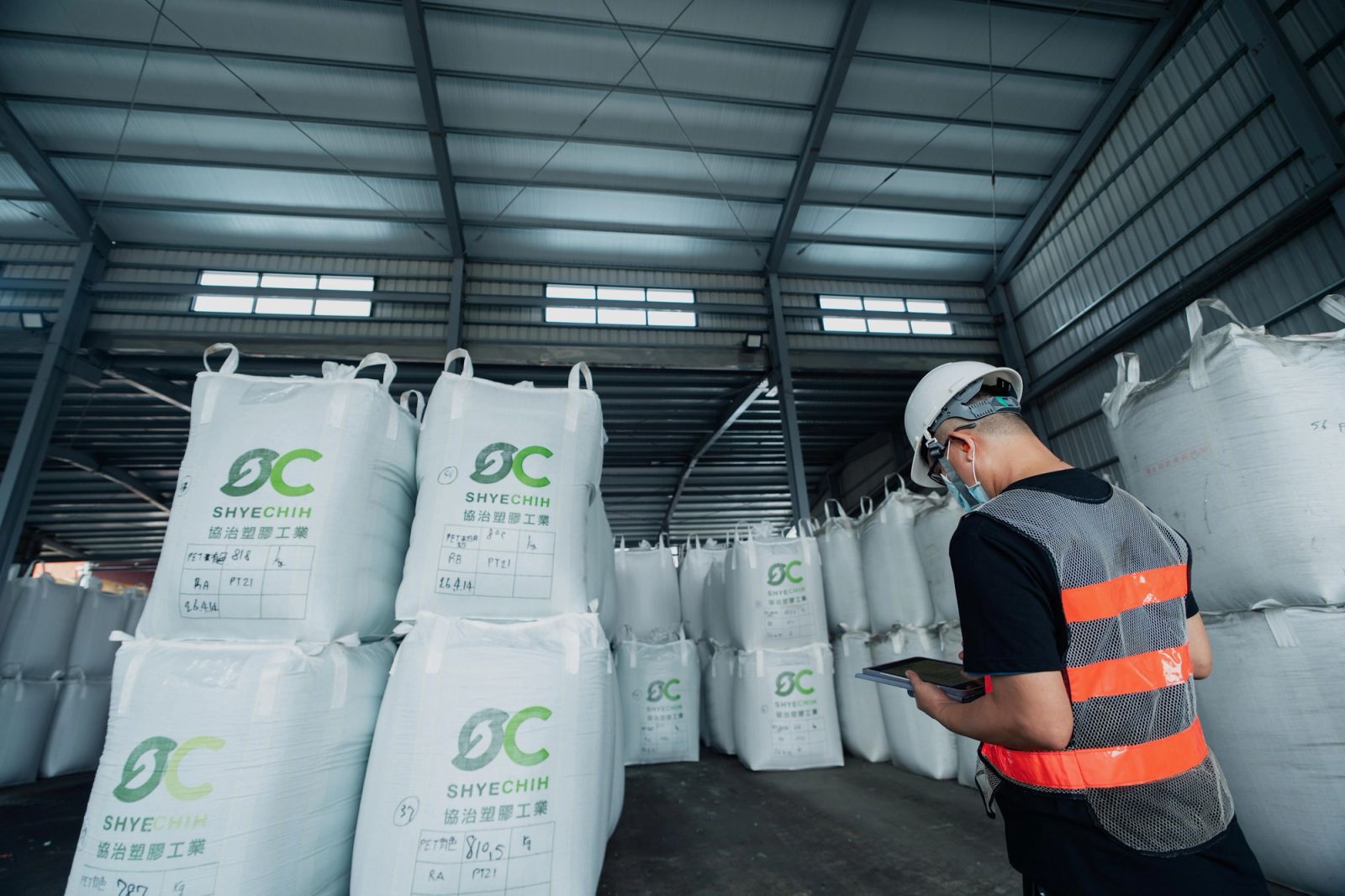
Shyechih directly handles large volumes of post-consumer waste (PET, PP, PE), significantly reducing waste sent to incineration or landfill. This is our core capability for advancing the circular economy: bringing waste back into the supply chain rather than letting it leak into the environment.
Aligned SDGs:
Rationale:
Reduces waste sent to incineration / landfill; promotes circular material use; lowers carbon emissions.
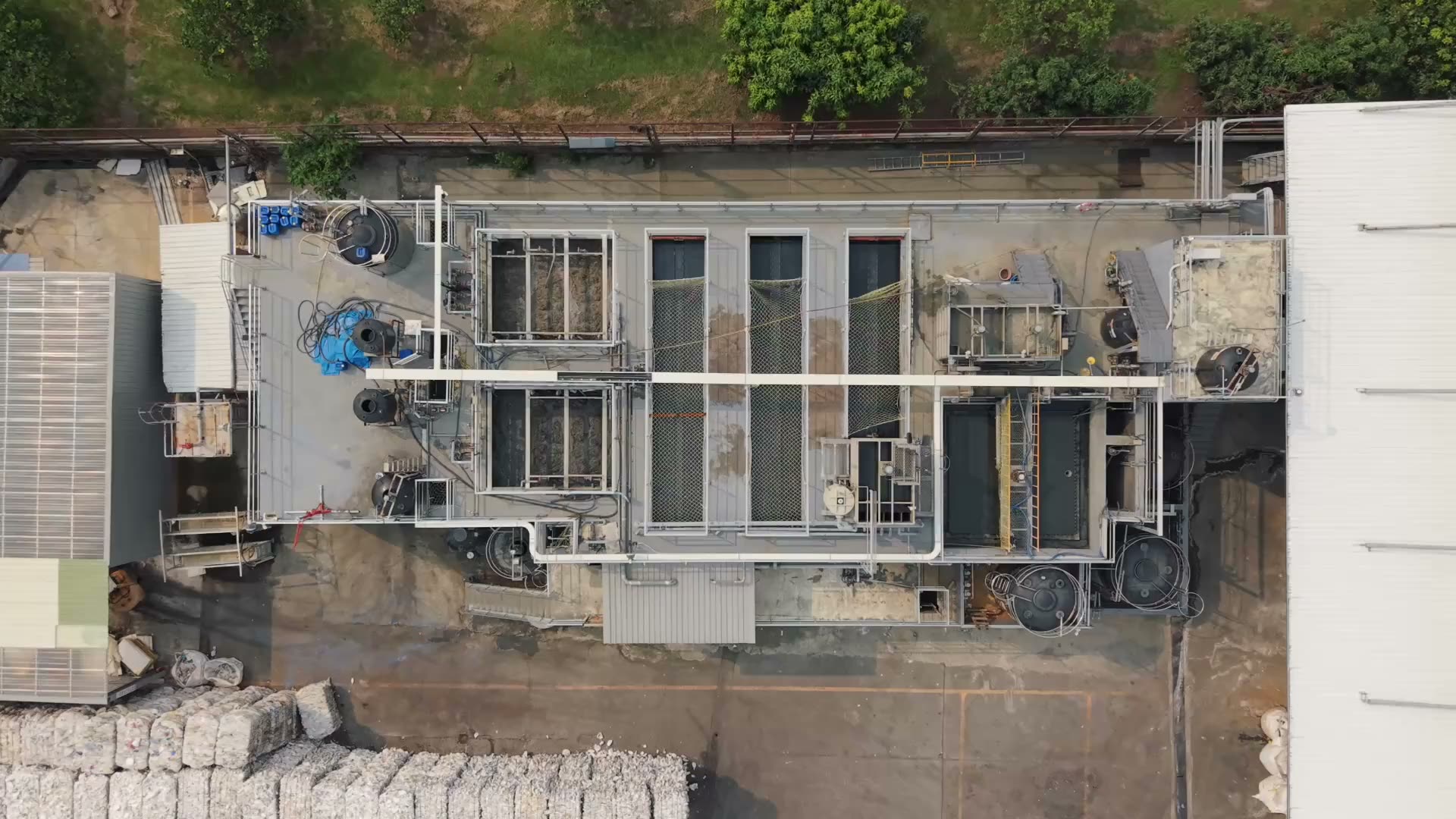
70% Process Water Recycling
Through vertical integration and process management, we ensure every batch is traceable while delivering a long-term commitment to water sustainability.
 Reduce water consumption
- Lower emissions burden
- Maintain stable cleaning process quality
Aligned SDGs:
Rationale:
Water conservation, reduced emissions, improved resource efficiency.
Supporting Brand-Level Circularity
By investing in our food-grade PET pre-treatment line, we give brands the ability to truly close the loop on their packaging.
- Bottle-to-Bottle (used bottle → new bottle)
- Food-contact recycling (food-grade recycled material)
Aligned SDGs:
Rationale:
PET delivers significant carbon reduction; replaces virgin plastic; advances circular applications.
AI-Driven Efficiency
AI, NIR spectroscopy, and automation not only boost capacity — they reduce operational risk and resource waste for genuine technological sustainability.
- Reduce repetitive, high-risk manual sorting
- Reduce material waste from misclassification
- Free up labor for higher-value tasks
Aligned SDGs:
Rationale:
Reduces high-risk labor; increases capacity; enables safety and innovation.
Transparent Process & Traceable Sources
Every batch traceable from collection point to finished product. We help brands meet PCR procurement and disclosure requirements.
- Collection source (bottle bale quality)
- Sorting process (NIR / AI vision)
- Processing (hot wash, ultrasonic, re-sorting)
Aligned SDGs:
Rationale:
Establishes supply chain governance, transparency, responsible procurement.
